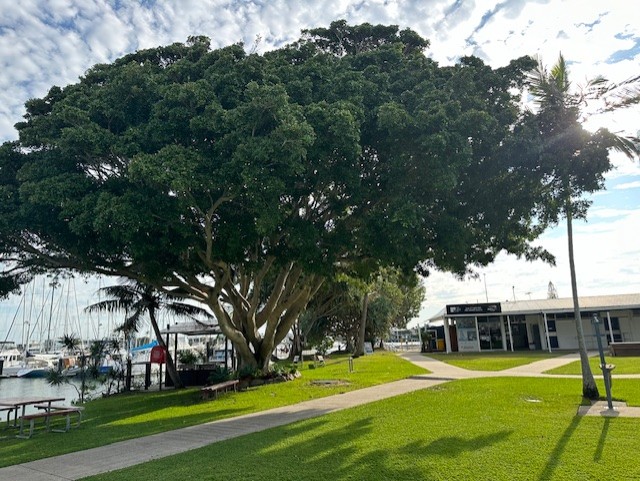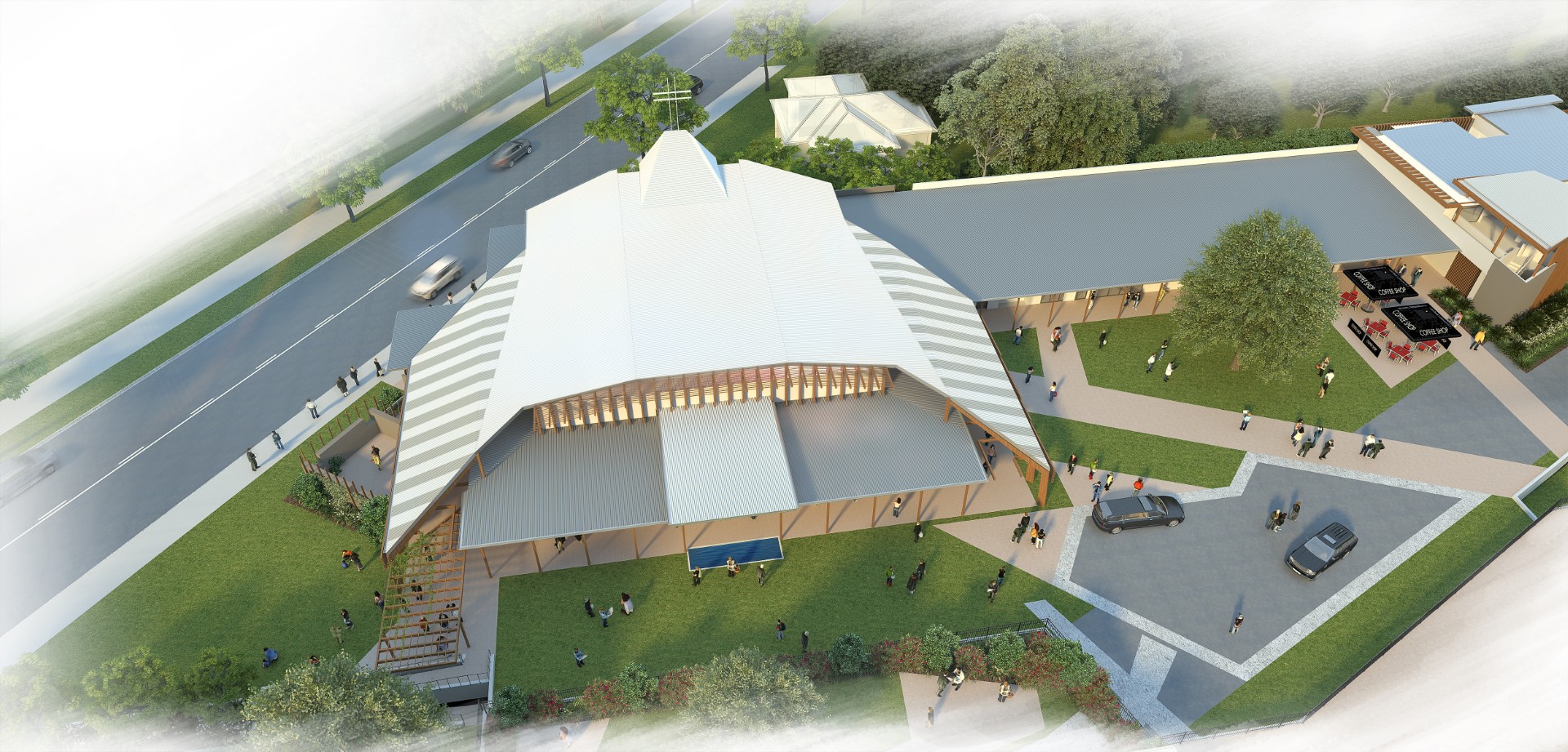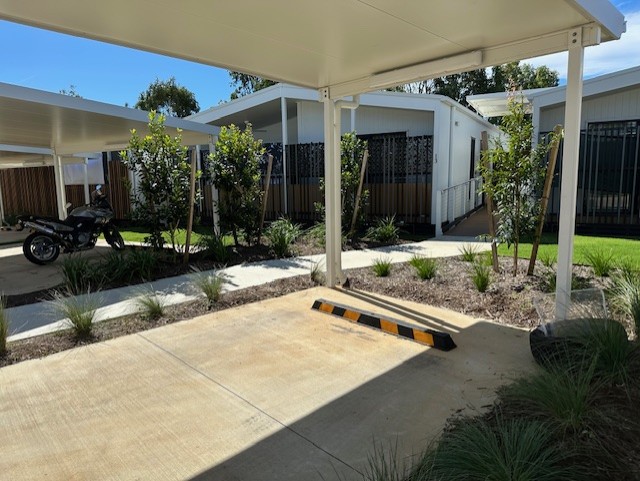
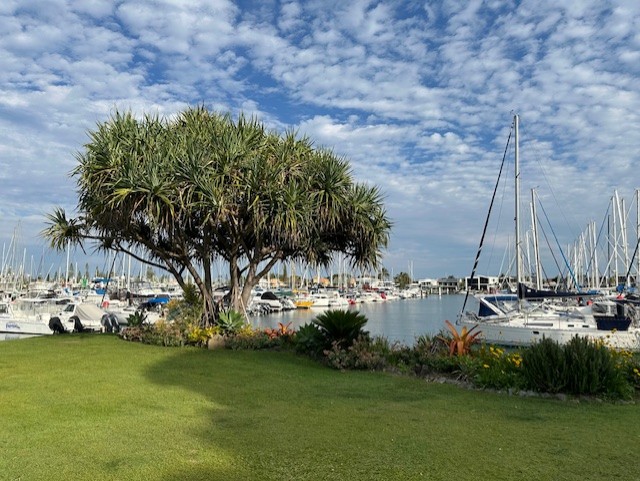
A landscape master plan is a long-horizon design framework that sets how a place will grow, function and feel over decades. On the Sunshine Coast, LARK Design master plans have shaped tourism precincts, schools, community facilities and residential communities. The steps below are the process we use — a compressed version of what a full master plan involves.
Stage 1 — Brief and inception
The client sets the objectives, budget envelope and timeframe. The landscape architect confirms the scope, the deliverables and the consultant team required (civil, hydraulic, ecological, arboricultural, planning). A written scope-of-services and fee proposal locks the shape of the commission before any drawing starts.
Stage 2 — Site analysis
The most important stage of any master plan. Site analysis maps climate, topography, hydrology, ecology, soils, heritage, cultural values, existing vegetation, movement patterns and neighbouring context. It also identifies constraints and opportunities the concept design will respond to. Skipping or shortening this stage is the single most common cause of master plans that unravel later.
Stage 3 — Concept design
Two or three concept options are usually developed and tested against the brief. Each option shows land use, movement, open-space structure, planting character and staging. This stage is deliberately iterative — the point is to expose trade-offs so the client can choose knowingly.
Stage 4 — Preferred option and design development
One option is chosen and developed. Levels, drainage, planting, materials, lighting, structures and staging are resolved in coordination with the consultant team. The output is a design report with plans, sections, character imagery, planting strategy and a staging plan.
Stage 5 — Documentation and delivery framework
A master plan usually finishes with a design guidelines package: how future stages should be documented, what materials and species are permitted, how the public realm should be maintained, and who signs off variations. On large precincts this framework governs 10–20 years of subsequent design work.
How long does a master plan take?
A small campus or community master plan can be completed in 3–4 months. A precinct-scale master plan with council and stakeholder engagement typically takes 9–18 months. Rushing the site analysis or the option-testing stages almost always costs more time later than it saves.
What does a landscape master plan cost?
Master planning fees are scoped per stage rather than by area. A written proposal after a brief conversation is usually the fastest way to get a real number — start there.
See master planning in practice
Browse LARK Design projects for master-planned tourism, education, residential and community precincts, mostly delivered across the Sunshine Coast and Queensland.