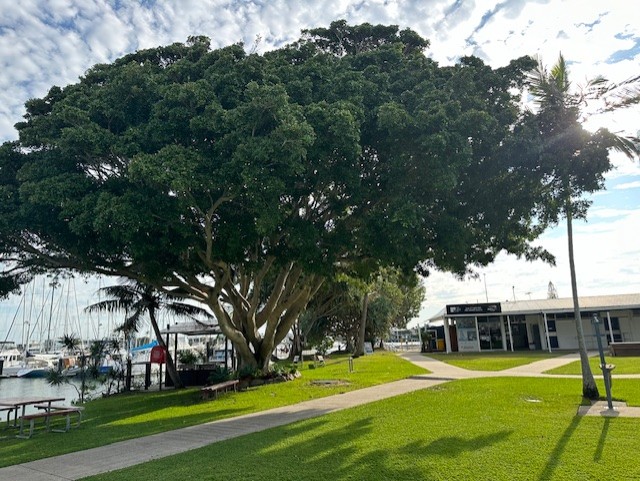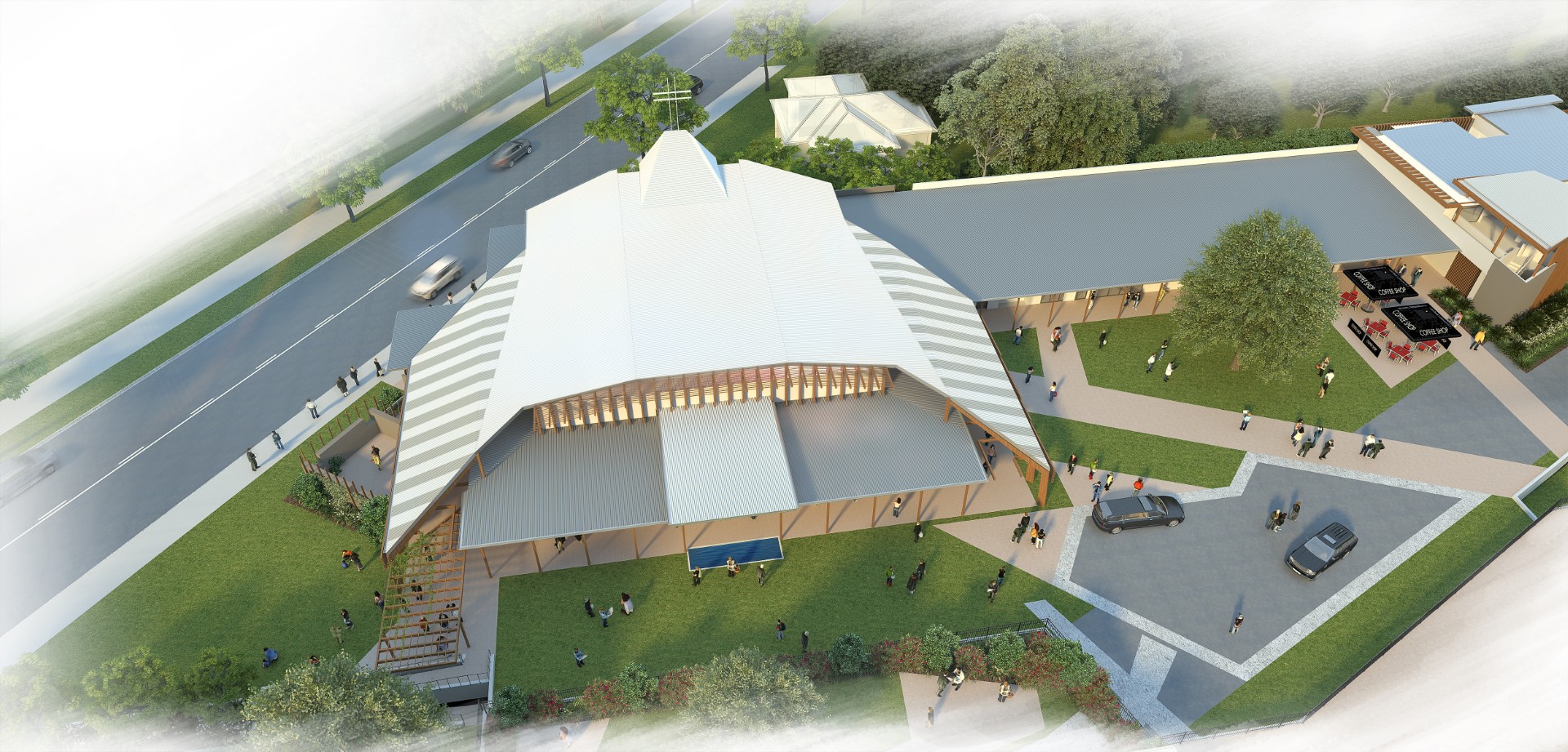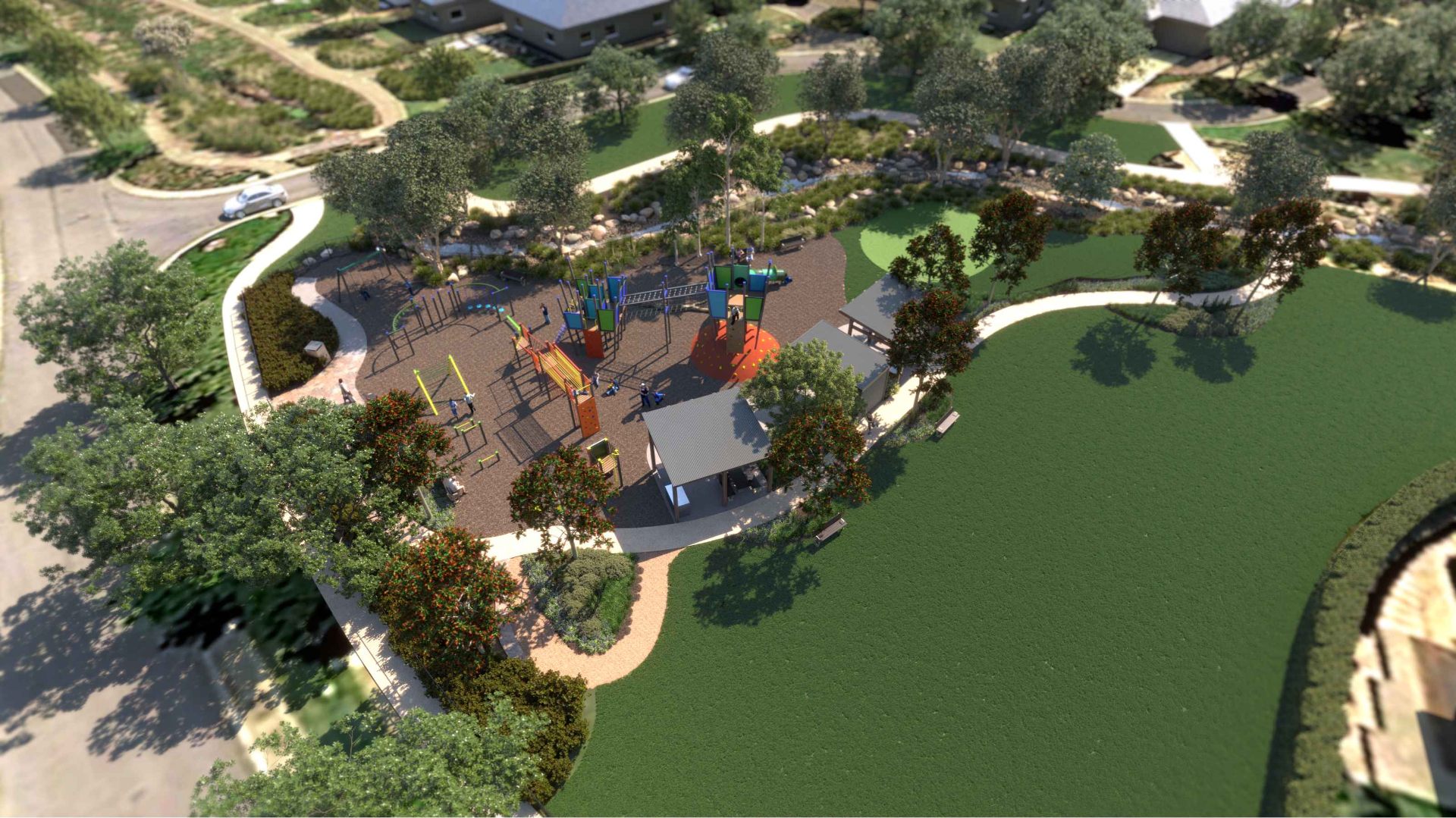
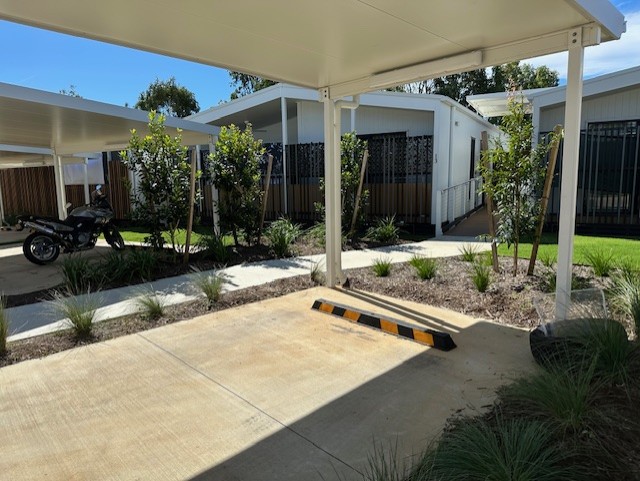
Coastal landscape design on the Sunshine Coast is a specialist problem, not a stylistic one. Between Caloundra and Noosa the landscape has to handle salt spray, cyclonic wind loading, intense UV, sandy free-draining soils and periods of heavy rainfall followed by drought. Get the plant palette, materials, root structure and setback right and a coastal landscape looks better every year — get any one of them wrong and it starts unravelling inside two.
What plants survive Sunshine Coast coastal conditions?
Salt-tolerant native and indigenous species with deep root structures and low-water demand. Reliable performers used on Sunshine Coast coastal projects include:
- Pandanus tectorius — the beach pandan; iconic, tough, deep rooting.
- Banksia integrifolia — coastal banksia, wind-firm and salt tolerant.
- Casuarina equisetifolia — she-oak, holds sand and softens wind.
- Carpobrotus glaucescens — pigface, low ground plane, salt spray tolerant.
- Lomandra longifolia — mat rush, sculptural, low maintenance.
- Westringia fruticosa — coastal rosemary, hedgeable, salt tolerant.
Exotic tropicals often work in sheltered courtyards but fail in the first strong onshore wind — a Sunshine Coast coastal palette should lead with local natives and finish with exotics, not the other way around.
What materials belong in a Sunshine Coast coastal landscape?
Salt and UV are the two long-term destroyers. Marine-grade stainless steel (316), pre-weathered aluminium, hardwood species like Ironbark and Spotted Gum, and permeable concrete and stone perform best; low-grade galvanised steel, softwood decking and untreated mild steel all age badly on the coast. Paving colour matters too — lighter tones reduce surface heat, important for barefoot use on beach-adjacent projects.
Coastal setbacks and wind — what most projects get wrong
The most common mistake is treating the primary dune line as an aesthetic edge instead of a structural one. Good coastal landscape design layers wind protection from the dune inward: dune vegetation, low ground-cover zone, mid-storey wind buffer, then the built landscape. Skipping the wind-buffer layer pushes salt spray straight into the built edge and shortens the life of everything behind it.
Stormwater on sandy coastal soils
Coastal sites drain fast, which is a benefit and a risk. Rain gardens, swales and permeable paving can be lighter on structure than in a clay catchment, but heavy-rainfall events still produce quick, high-flow runoff — planting and edging need to be specified for the peak, not the average.
What kinds of coastal projects does LARK work on?
LARK Design has worked across the Sunshine Coast coastal strip on tourism and resort landscapes, hospitality, and coastal residential — Mooloolaba, Maroochydore, Buderim, Caloundra and Noosa. Every project starts from the same coastal-first analysis before any concept work begins.