A native planting palette drawn from the Sunshine Coast's own ecology outperforms an imported one on almost every measure — water use, biodiversity, maintenance cost and long-term visual quality. The Sunshine Coast sits across three broad ecological bands (coastal, urban lowland, hinterland rainforest edge), and each has a slightly different core palette. This guide is the shortlist we return to on LARK Design projects.
Which native trees suit Sunshine Coast landscapes?
- Coastal / exposed: Pandanus tectorius, Banksia integrifolia, Casuarina equisetifolia, Cupaniopsis anacardioides (Tuckeroo).
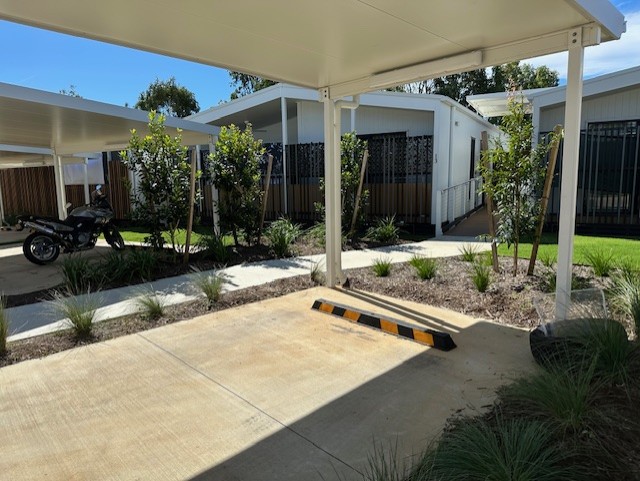
- Urban and residential: Tristaniopsis laurina (Water Gum), Waterhousea floribunda (Weeping Lilly Pilly), Corymbia citriodora (Lemon-scented Gum) on larger sites.
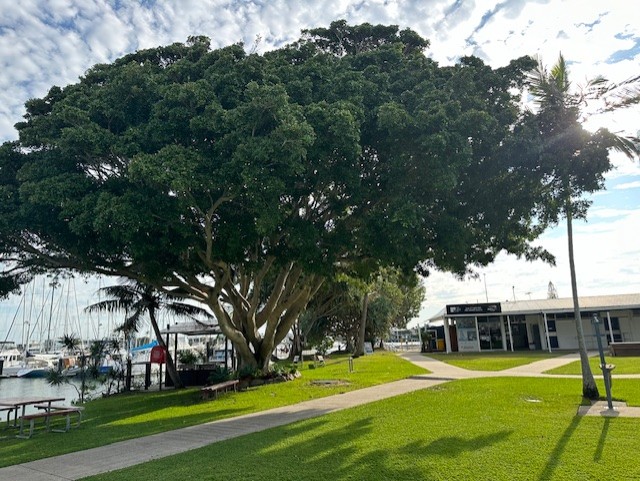
- Hinterland / rainforest edge: Flindersia australis, Elaeocarpus grandis (Blue Quandong), Ficus obliqua where scale permits.
Native shrubs and mid-storey
- Callistemon viminalis and Callistemon citrinus — bird-attracting bottlebrush.
- Grevillea hybrids (site-appropriate) — long flowering, wildlife value.
- Westringia fruticosa — hedgeable, coastal-hardy.
- Alpinia caerulea — native ginger, shaded understorey.
- Syzygium australe — Lilly Pilly, screening.
Ground plane and grasses
- Lomandra longifolia and Lomandra hystrix — sculptural, tolerant.
- Dianella caerulea — blue flax lily, structural grass.
- Themeda triandra (Kangaroo Grass) on drier sites.
- Carpobrotus glaucescens — pigface for coastal ground planes.
- Viola hederacea — native violet, shaded ground cover.
Are natives really lower maintenance than exotics?
Yes, when the species is matched to the microclimate of the site. A native from the wrong region — say, a South Australian coastal shrub in a Sunshine Coast rainforest microclimate — will struggle just as much as an exotic. The right question is not "native or exotic" but "does this species belong to this soil, aspect and rainfall pattern?"
How do natives perform in a Sunshine Coast public realm?
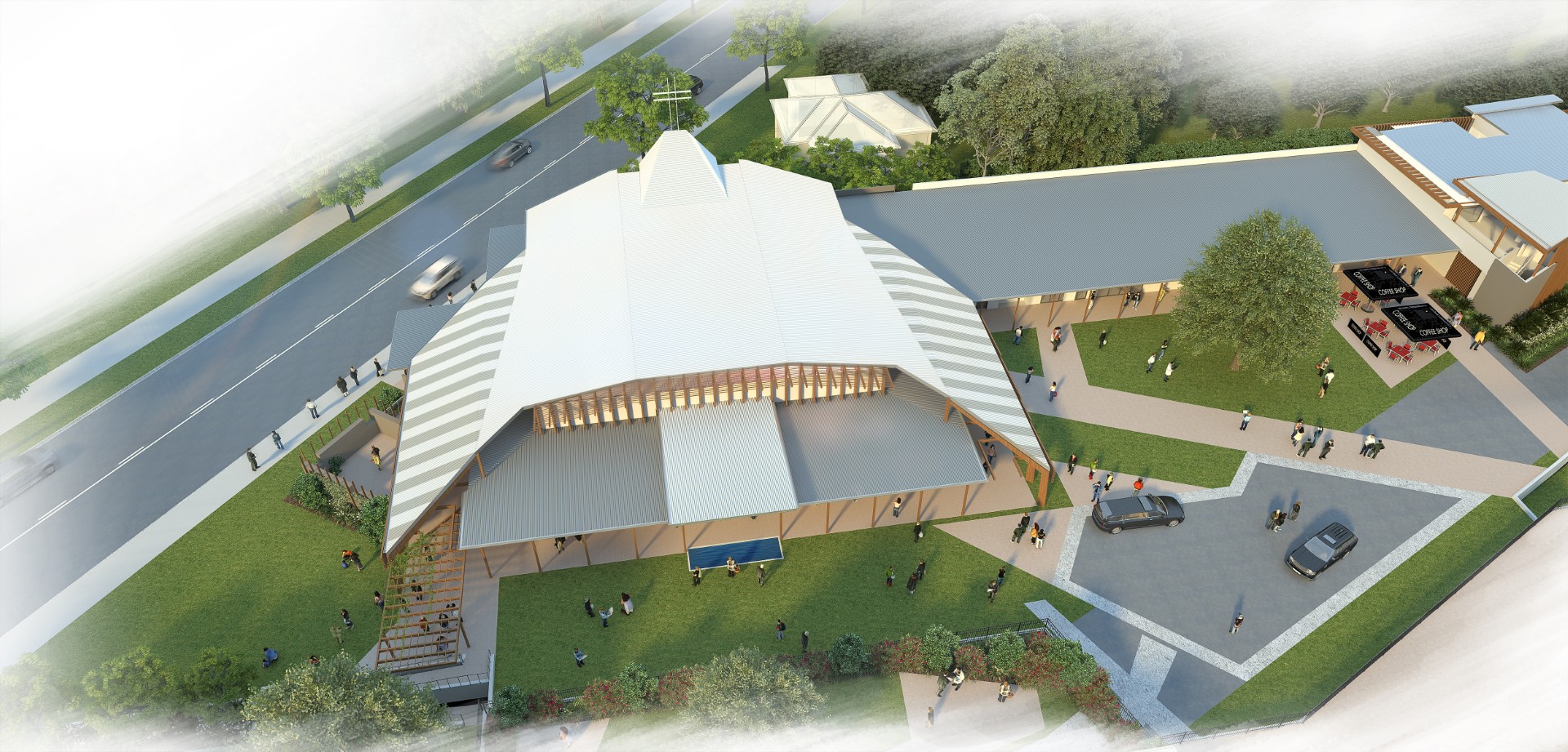
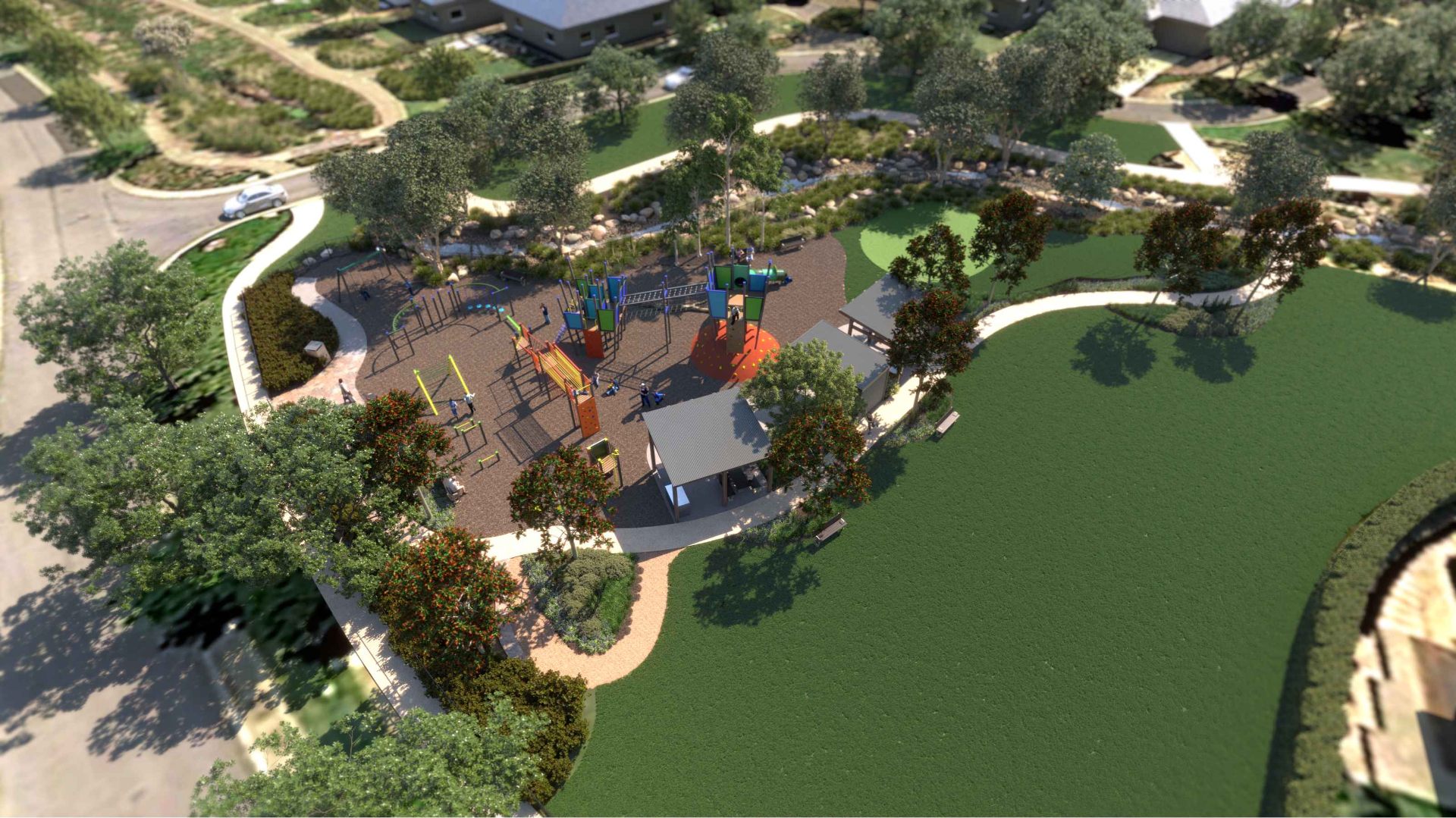
Very well, provided the streetscape design gives them structural soil volume and irrigation for establishment. LARK Design's public-realm work across the region consistently returns to a native-led palette because the biodiversity, water and maintenance outcomes are simply better over a 20-year horizon — the timescale that matters for civic and master-planned projects.
Planning a native-led project?
Whether it's a private garden in Buderim, a resort landscape in Noosa or a streetscape for a Sunshine Coast Council precinct, the planting palette gets locked in at concept stage — not at the end. Talk to us early and we'll build the palette into the design from the first sketch.