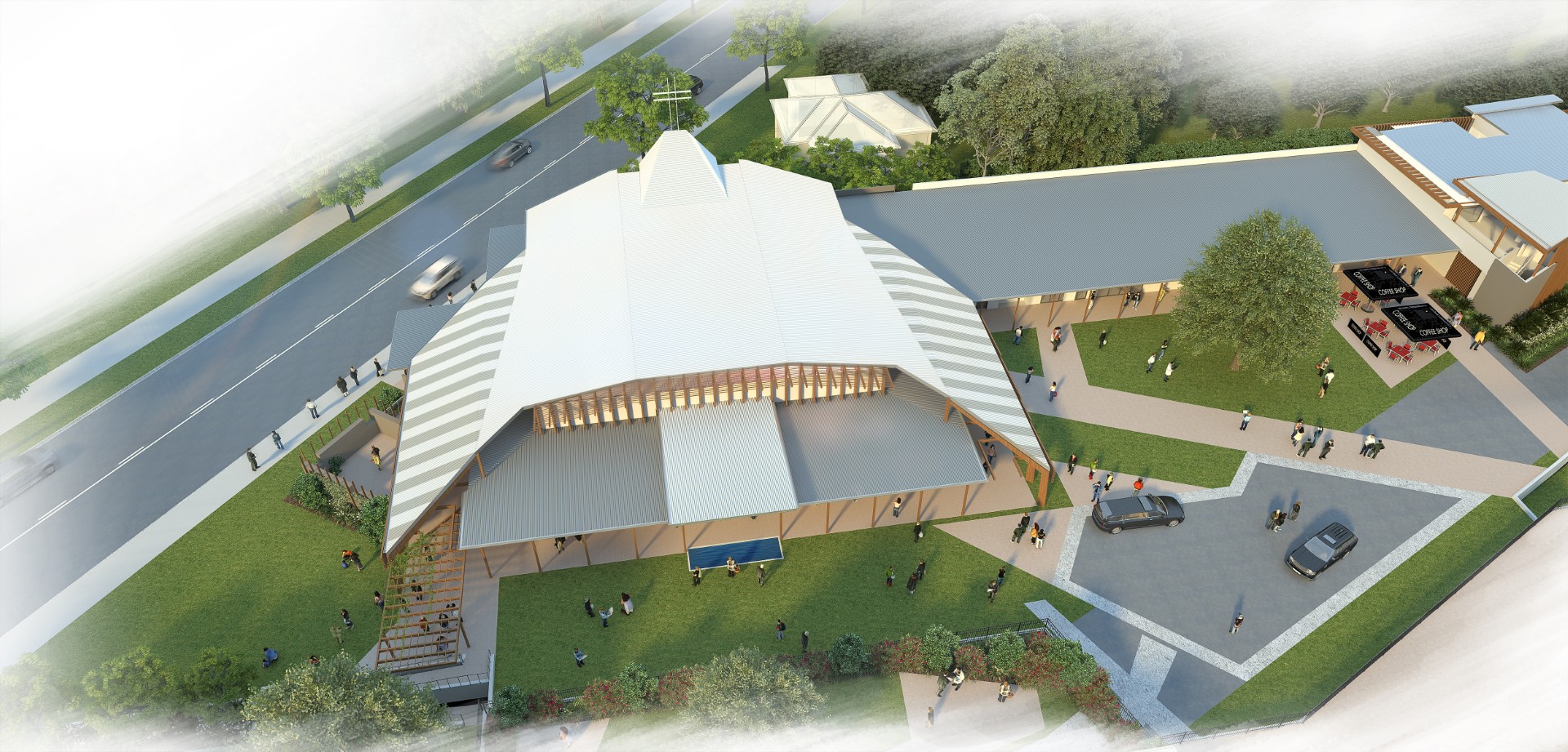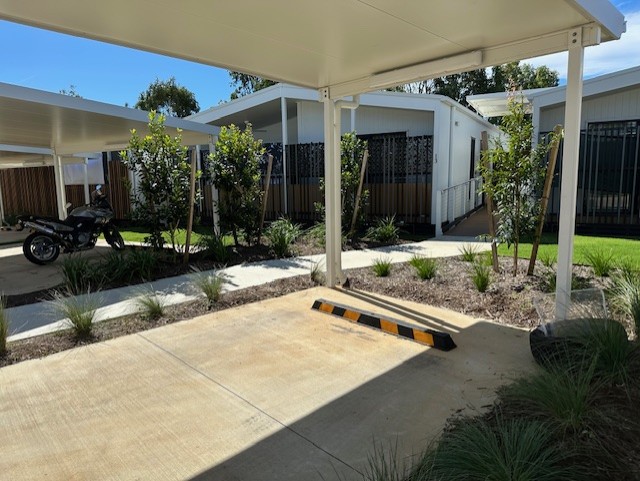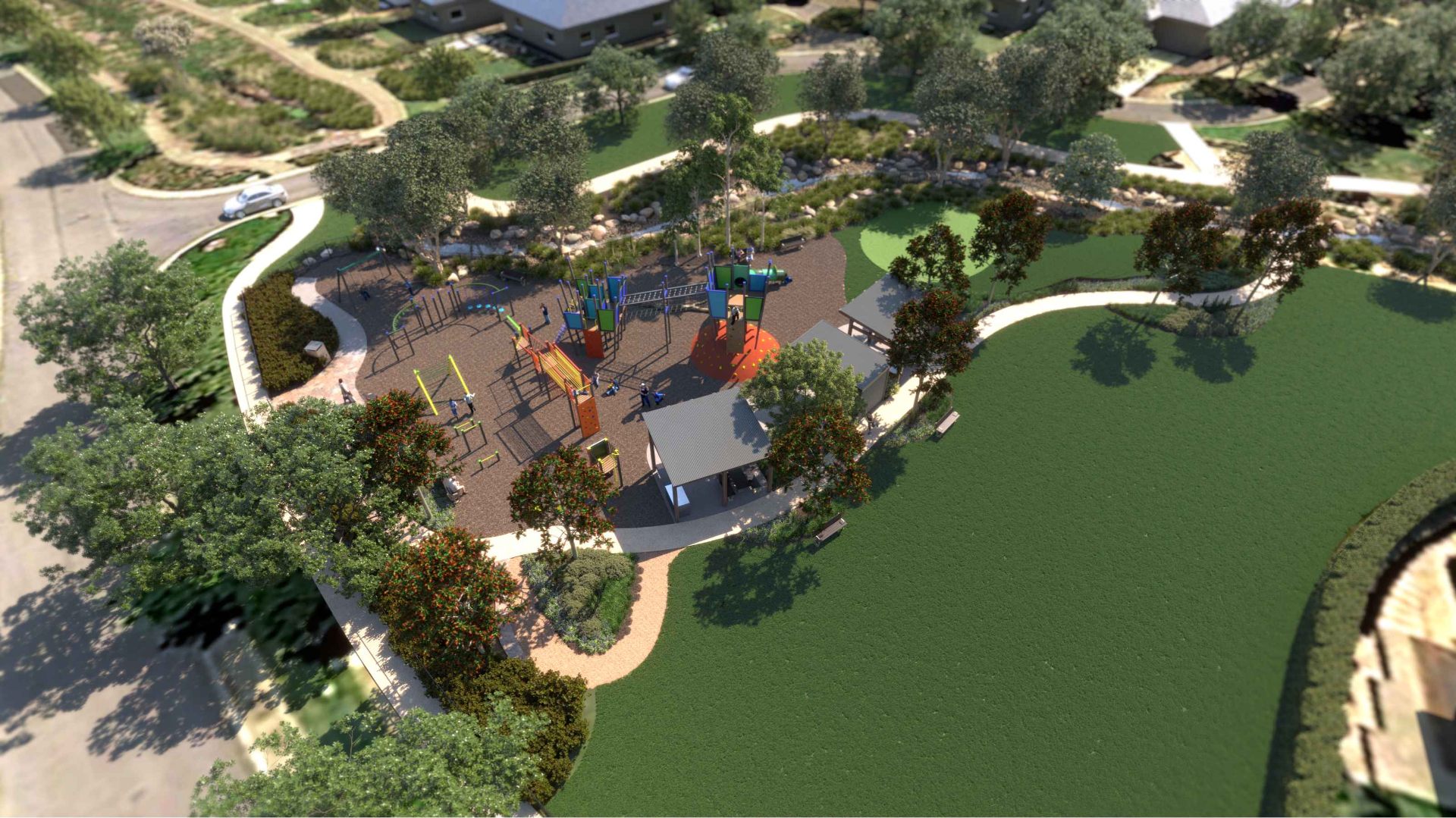
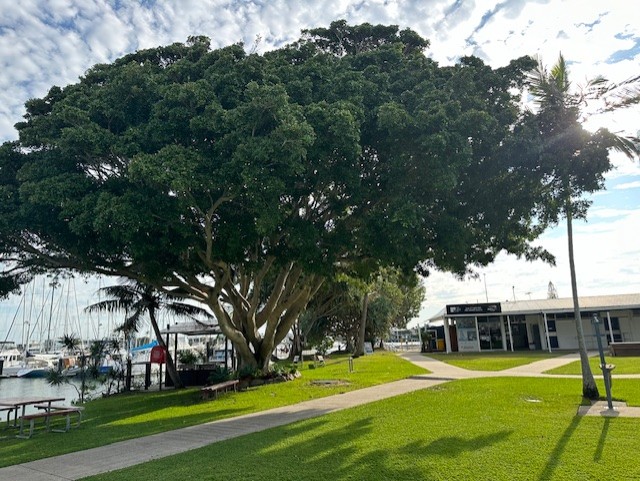
Landscape architecture is the design of outdoor places at every scale — from a courtyard to a suburb. Landscape architects study a site's climate, ecology, culture and use, then draw the ground plane, planting, water, materials, edges and thresholds that make a place work. In Australia, most landscape architects are qualified to a Bachelor or Master degree accredited by the Australian Institute of Landscape Architects (AILA), and design-only practices like LARK Design have been shaping public and private landscapes for decades.
What does a landscape architect actually do?
A landscape architect designs the outdoor parts of a project — the ground, planting, water, hard surfaces, edges, structures and the way people move through them — and produces the drawings a builder or landscaper needs to construct it. On a typical project the work moves through five loose stages: site analysis, concept design, design development, documentation and construction observation.
- Site analysis: understanding climate, slope, soils, drainage, ecology, heritage and neighbours.
- Concept design: testing ideas for layout, character, planting palette and materials.
- Design development: resolving levels, materials, planting, lighting and services with the wider consultant team.
- Documentation: drawings and specifications a contractor tenders and builds from.
- Construction observation: visiting site to check the design is being built as intended.
Landscape architect vs landscape designer vs landscaper
A landscaper builds; a landscape architect designs. The three roles overlap in language but not in scope.
- Landscape architects are university-qualified designers who work across master planning, urban design and detailed landscape design. They are typically appointed on projects that involve stormwater, structures, public land, complex sites or multiple consultants.
- Landscape designers usually work on smaller residential gardens; qualifications and scope vary.
- Landscapers are contractors who install the built landscape — turf, planting, paving, edging, irrigation.
A well-run project usually involves at least a landscape architect (design) and a landscaper (construction), briefed from the same set of drawings.
What is a "design-only" landscape practice?
A design-only practice produces the design and documentation but does not tender for or manage the construction. That separation matters because the design fee and the construction cost are not tied together — the designer is free to recommend the right materials, planting and builders on their merits, without a conflict of interest. LARK Design has practised design-only since 1994.
When should you bring a landscape architect onto a project?
As early as feasible — ideally alongside the architect and civil engineer, before the building footprint is fixed. Early involvement lets the landscape shape decisions about levels, orientation, stormwater and views, rather than being asked to fix them at the end. On smaller residential jobs, engaging a landscape architect at concept stage still tends to pay for itself in avoided rework.
How much does landscape architecture cost?
Fees usually scale with the size, complexity and duration of the project rather than with a fixed rate per square metre. Small residential design commissions typically start in the low thousands; multi-stage master planning is scoped per stage. A short brief and site address is usually enough for a landscape architect to send back a fee proposal — you can start that conversation here.